Marketing Expert: The Playbook Behind Every Great Campaign
Rory Sutherland, The Knowledge Project Podcast, >83,000 views
MARKETINGNEW
5/8/20243 min read

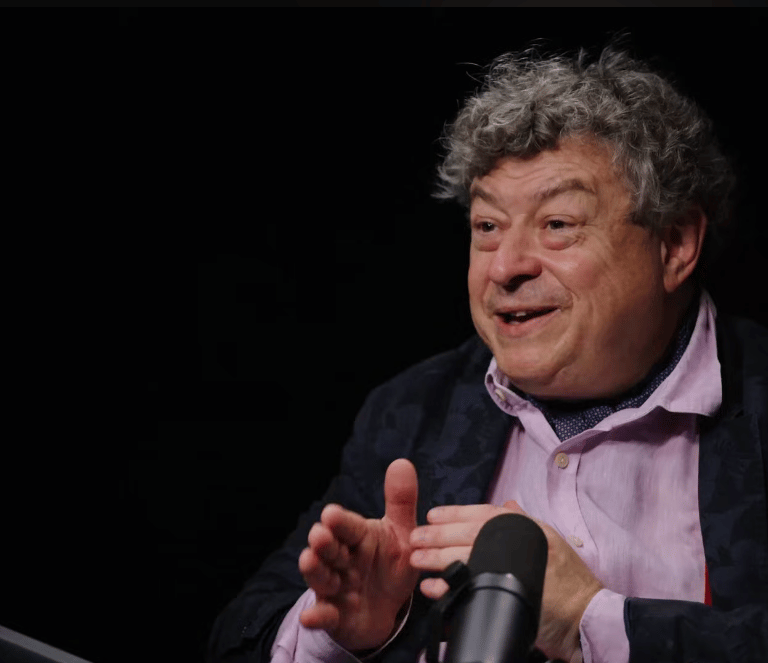
About this video
Rory Sutherland is a highly successful British advertising leader and behavioural science pioneer, long-time Vice Chairman of global agency Ogilvy, bestselling author, and globally sought-after keynote speaker and consultant.
Many businesses are optimising for efficiency, dashboards, and short-term metrics — but quietly weakening the very thing that drives durable growth: customer trust. This conversation challenges how we think about marketing, arguing that long-term value, human behaviour, and brand experience matter far more than quarterly optimisation.
full video at end of page
Key takeaways
Core Insight (Plain English)
Many companies manage marketing like a cost centre. The argument here is that this mindset quietly weakens long-term value.
When you optimise for quarterly targets, lower cost per lead, or faster turnaround times, you may improve the dashboard — but erode customer trust. Real marketing is about building long-term customer value. Not short-term efficiency.
In many Southeast Asian SMEs, the pressure is real:
Thin margins
Cash flow sensitivity
Aggressive competition
Heavy reliance on promotions
That environment pushes operators toward short-term optimisation.
But strong brands win because they:
Invest in customer experience, not just transactions
Design for how people actually behave, not how spreadsheets assume they behave
Make decisions that build trust over time
Marketing is not advertising. It is the discipline of finding and keeping customers profitably over time.
7 Practical Operator Lessons
(For SME Leaders)
1. Optimise for Value Creation, Not Just Cost Reduction
Cutting service staff, automating everything, or running constant discounts may boost short-term numbers. But in Southeast Asia — where word-of-mouth, family referrals, and community reputation still matter deeply — reputation compounds.
Review what you’ve “optimised.” Did you remove friction — or remove care?
2. Service Must Be Both Efficient and Empathetic
Good organisations do two things well:
Fast service for customers who know exactly what they want
Patient, human support for customers facing unusual issues
In markets like Singapore, Malaysia, Indonesia, Thailand, and Vietnam, customers may tolerate minor inconvenience — but they do not tolerate being dismissed. Automation cannot replace judgement in edge cases.
3. Customer Experience Is Marketing
Advertising is only one tool.
Your WhatsApp replies.
Your return policy.
Your outlet staff behaviour.
Your delivery handling.
These are marketing.
Many SMEs overspend on promotion and under-spend on experience.
4. Strong Brands Earn Permission to Expand
In Southeast Asia, trust is currency. If customers trust you, they will try new products from you — even if those products feel unconventional.Without trust, every new launch feels risky.
Brand strength lowers customer hesitation
5. The Best Technology Doesn’t Always Win
Engineering metrics are not the same as human appeal. Customers care about how something fits into daily life:
Does it feel easy?
Does it feel thoughtful?
Does it reduce stress?
Small touches, repeated thousands of times, matter more than marginal technical superiority.
6. Big Ideas Are Fat-Tailed
In marketing and innovation, a small percentage of ideas generate disproportionate value. If you manage marketing like hourly labour — expecting predictable returns from every activity — you will suppress breakthrough ideas.
Operators must protect space for asymmetric upside.
7. Run the Business Like You’ll Own It for 100 Years
Founder-led businesses tend to outperform because decisions are made with legacy in mind. In Southeast Asia, many businesses are family-owned or multi-generational.
The useful question:
If your capital was locked in this company for 100 years, what decision would you make today?
That mindset shifts you from extraction to compounding.
Summary & Reflections
Short-term metrics are not wrong. Cash flow matters. SMEs cannot ignore operational discipline. But problems arise when financial dashboards override customer reality.
The real challenge is balance:
Maintain operational efficiency
Protect long-term brand strength
Very few businesses manage this tension well. Those that do tend to build durable advantage.
Who should watch the full video
Founder-led SME Owners
CEOs of Growing Companies
Heads of Marketing (Beyond Advertising)
Operations Leaders Designing Customer Experience
Finance Leaders in Consumer Businesses
Product and Tech Leaders
Who May Not Find It As Relevant
If you are looking for tactical marketing hacks, media buying strategies, or growth tricks, this is not that kind of content. It is a strategic conversation about how businesses create durable customer value over time.
For operators thinking beyond the next quarter, it is worth the time.
Until next time,
The SME Signal editorial Team
